Interior design is more than choosing beautiful furniture or finding the perfect paint colour. It is about creating a space that reflects your personality, supports your lifestyle, and makes you feel comfortable every time you walk through the door.
From the clean simplicity of modern interiors to the cosy charm of farmhouse living, there are countless ways to decorate a home. Each interior design style has its own character, colour palette, furniture choices, materials, and decorative details.
Whether you are decorating a new house, refreshing your living room, or simply searching for inspiration, understanding the different types of interior design styles can help you discover what truly suits your taste.
In this complete guide, we will explore 15 popular interior design styles, including their defining features, decorating tips, and inspiring visual examples.
1. Modern Interior Design Style

Modern interior design focuses on simplicity, functionality, and clean architectural lines. It is ideal for homeowners who appreciate uncluttered spaces, practical furniture, and a sophisticated appearance.
Modern homes often feature neutral colour schemes, smooth surfaces, geometric shapes, and thoughtfully selected decorative accessories.
Key Features of Modern Interior Design
- Clean, straight lines and simple furniture silhouettes.
- Neutral colours such as white, grey, black, and beige.
- Materials including glass, metal, leather, and natural wood.
- Open floor plans with plenty of natural light.
- Minimal decorative accessories.
How to Achieve the Modern Look
Start with a neutral foundation and introduce furniture with sleek shapes. Choose a comfortable sofa, a simple coffee table, and lighting that complements the architecture.
Avoid overcrowding the room with unnecessary accessories. Instead, select a few statement pieces, such as a large abstract painting or a sculptural floor lamp.
Best for: Contemporary apartments, open-plan homes, and people who love clean, organised interiors.
2. Minimalist Interior Design Style

Minimalist interior design embraces the philosophy of living with less while making every element meaningful.
Rather than filling rooms with furniture and decorations, minimalist spaces focus on essential pieces, open areas, and calming colour palettes.
The result is a peaceful environment that feels spacious, organised, and effortlessly elegant.
Key Features of Minimalist Interiors
- Simple furniture with practical purposes.
- Soft neutral colours and natural textures.
- Open surfaces and limited decoration.
- Hidden storage solutions.
- An emphasis on quality rather than quantity.
How to Decorate a Minimalist Home
Begin by removing items that do not serve a useful or meaningful purpose. Select multifunctional furniture, such as storage benches or coffee tables with concealed compartments.
Use soft textiles, natural wood, and warm lighting to prevent the room from feeling cold or empty.
Best for: Small apartments, peaceful bedrooms, and homeowners who prefer clutter-free living.
3. Scandinavian Interior Design Style

Scandinavian interior design combines practicality, natural beauty, and comfort.
Inspired by homes in Denmark, Sweden, Norway, and other Nordic countries, this style creates bright and welcoming spaces using light colours, organic materials, and comfortable furnishings.
One of its most appealing qualities is the balance between simplicity and warmth.
Key Features of Scandinavian Design
- Light wood flooring and furniture.
- White, cream, pale grey, and muted pastel colours.
- Cosy blankets, cushions, and textured rugs.
- Functional furniture with understated designs.
- Natural light and indoor plants.
How to Create a Scandinavian Living Room
Choose a comfortable neutral sofa and pair it with a light wooden coffee table. Add knitted throws, linen cushions, and a soft rug to create warmth.
Keep window treatments simple to maximise daylight, and introduce greenery for a fresh, natural appearance.
Best for: Cosy family homes, bright apartments, and relaxed everyday living.
4. Contemporary Interior Design Style

Contemporary interior design reflects the aesthetics and ideas of the present day.
Unlike modern design, which refers to a historical design movement, contemporary interiors continually evolve as new materials, technologies, and preferences emerge.
Contemporary homes often combine elegant furniture, interesting textures, and striking architectural features.
Key Features of Contemporary Interiors
- Curved furniture and sculptural shapes.
- Neutral foundations with carefully selected accent colours.
- Statement lighting and oversized artwork.
- A mixture of natural and manufactured materials.
- Comfortable, sophisticated furniture arrangements.
How to Achieve a Contemporary Look
Start with a timeless neutral colour palette. Introduce a curved sofa, an interesting coffee table, or a dramatic pendant light.
Layer different textures, such as boucle, stone, glass, and wood, to create depth without overwhelming the room.
Best for: Stylish urban homes and anyone who enjoys updating their interiors over time.
5. Traditional Interior Design Style

Traditional interior design celebrates timeless elegance, craftsmanship, and classic decorative details.
Inspired by historical European interiors, traditional homes often feature beautiful wooden furniture, rich fabrics, decorative mouldings, and carefully balanced arrangements.
This style creates a sense of warmth, sophistication, and familiarity.
Key Features of Traditional Interiors
- Classic furniture with curved or carved details.
- Rich wood finishes.
- Decorative wall mouldings and elegant fireplaces.
- Patterned rugs, curtains, and upholstered furniture.
- Symmetrical furniture arrangements.
How to Decorate a Traditional Home
Choose timeless furniture, such as a tufted sofa, a wooden sideboard, or an upholstered armchair.
Add decorative mirrors, framed artwork, table lamps, and layered fabrics to create a welcoming atmosphere.
Best for: Period properties, formal living rooms, and homeowners who appreciate classic elegance.
6. Industrial Interior Design Style

Industrial interior design draws inspiration from old factories, warehouses, and converted urban buildings.
Instead of hiding structural elements, industrial interiors often celebrate exposed brickwork, metal beams, concrete surfaces, and visible pipes.
The style combines rugged materials with comfortable furniture to create a distinctive urban atmosphere.
Key Features of Industrial Design
- Exposed brick walls and concrete surfaces.
- Black metal furniture and lighting.
- Reclaimed wood and distressed finishes.
- Leather sofas and vintage accessories.
- Open layouts with large windows.
How to Create an Industrial Interior
Combine a leather sofa with a reclaimed wooden coffee table and black metal shelving.
Introduce vintage-inspired pendant lights and warm textiles to soften the harder surfaces.
Best for: Loft apartments, converted warehouses, home offices, and urban-inspired living spaces.
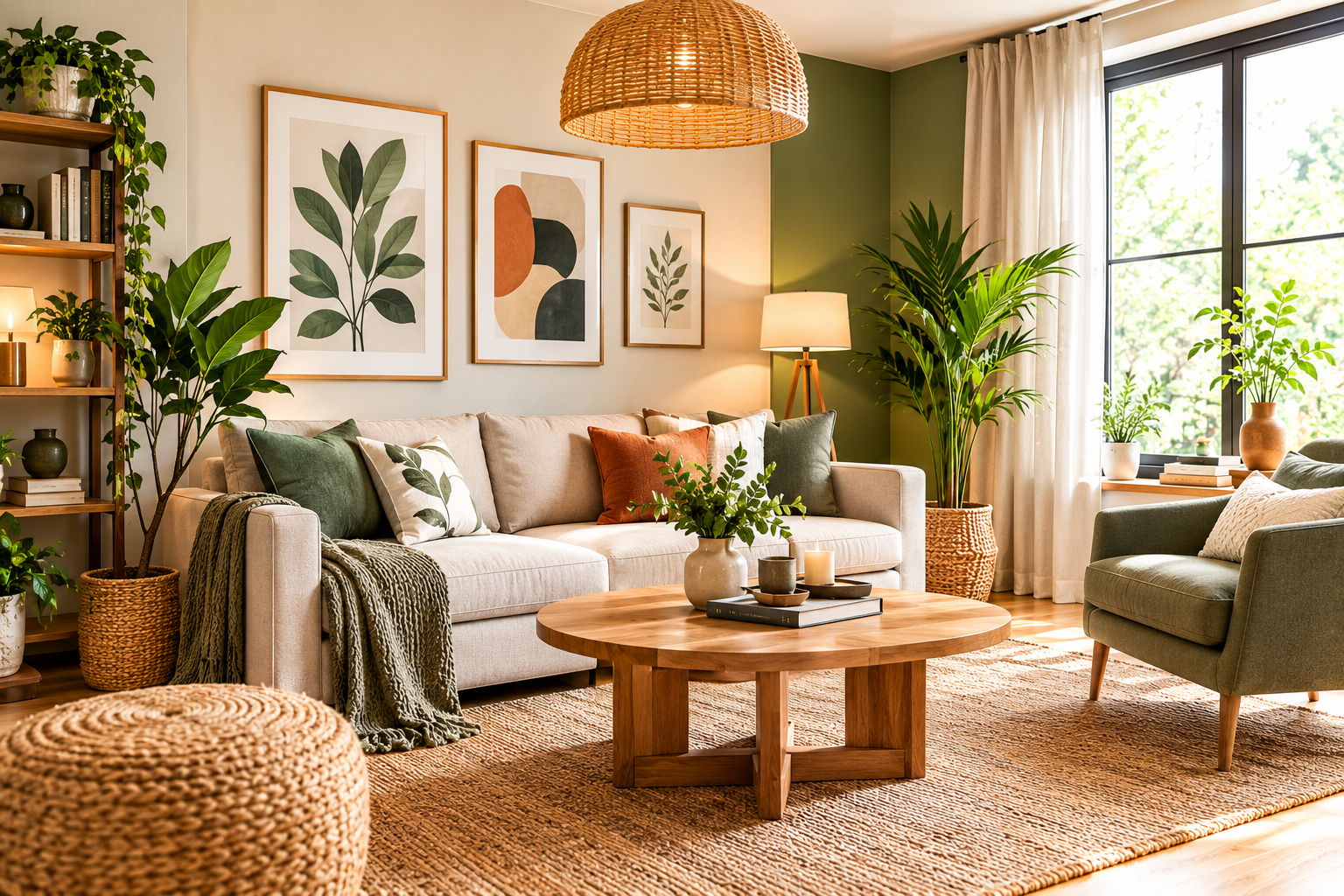
7. Bohemian Interior Design Style

Bohemian interior design is colourful, expressive, and full of personality.
Often called boho style, it encourages creative combinations of furniture, textiles, artwork, and decorative accessories.
Unlike highly structured decorating styles, bohemian interiors embrace individuality and a relaxed atmosphere.
Key Features of Bohemian Interiors
- Layered rugs and patterned cushions.
- Rattan, bamboo, and natural wood furniture.
- Warm earthy colours and vibrant accents.
- Handmade accessories and woven wall decorations.
- Plenty of indoor plants.
How to Decorate a Bohemian Room
Start with a comfortable sofa and add cushions in different patterns and textures.
Layer a vintage-style rug with woven accessories, hanging plants, and decorative baskets.
The goal is to create a room that feels collected and personal rather than perfectly coordinated.
Best for: Creative homes, relaxed bedrooms, and people who love colourful, individual spaces.
8. Mid-Century Modern Interior Design Style

Mid-century modern design became influential during the middle decades of the twentieth century and remains popular because of its timeless furniture shapes.
It combines clean lines, organic forms, functional furniture, and warm wood finishes.
The style feels nostalgic without necessarily appearing old-fashioned.
Key Features of Mid-Century Modern Design
- Furniture with tapered wooden legs.
- Walnut, teak, and other warm wood finishes.
- Geometric patterns and abstract artwork.
- Mustard yellow, olive green, orange, and earthy tones.
- Simple silhouettes with gentle curves.
How to Create a Mid-Century Modern Home
Choose a wooden sideboard, a streamlined sofa, and a statement lounge chair.
Add geometric artwork, a retro-inspired lamp, and a textured rug to complete the look.
Best for: Retro-inspired homes, stylish apartments, and lovers of vintage furniture.
9. Rustic Interior Design Style

Rustic interior design celebrates natural materials, earthy colours, and the imperfect beauty of handcrafted furniture.
Inspired by countryside homes, mountain cabins, and traditional rural architecture, rustic interiors create a warm and inviting atmosphere.
Key Features of Rustic Interiors
- Exposed wooden ceiling beams.
- Natural stone fireplaces.
- Reclaimed wood furniture.
- Earthy colours such as brown, cream, and forest green.
- Handmade pottery and woven textiles.
How to Create a Rustic Interior
Use wooden furniture with visible grain and natural finishes. Combine stone, linen, wool, and leather to add texture.
Warm lighting and comfortable seating will help create the relaxed feeling associated with rustic homes.
Best for: Country houses, cottages, mountain cabins, and cosy family living rooms.
10. Coastal Interior Design Style

Coastal interior design takes inspiration from beaches, ocean landscapes, and relaxed seaside living.
The style uses light colours, breathable fabrics, and natural materials to create a refreshing and peaceful environment.
A coastal home should feel bright, comfortable, and welcoming rather than overly themed.
Key Features of Coastal Interiors
- White, sandy beige, pale blue, and sea-green colours.
- Linen and cotton upholstery.
- Rattan, wicker, and light wooden furniture.
- Large windows and natural lighting.
- Subtle ocean-inspired decorative accessories.
How to Create a Coastal Living Room
Start with white or cream furniture and introduce soft blue cushions and natural woven rugs.
Use light curtains, wooden accessories, and simple coastal artwork to complete the look.
Avoid excessive nautical decorations. A few carefully chosen details usually create a more sophisticated result.
Best for: Beach houses, holiday homes, and anyone who enjoys bright, relaxing interiors.
11. Farmhouse Interior Design Style

Farmhouse interior design combines countryside charm with practical, comfortable living.
Traditional farmhouse interiors feature natural wood, vintage furniture, and rustic accessories. Modern farmhouse interiors introduce cleaner lines and more restrained colour palettes.
The result is a home that feels welcoming, familiar, and stylish.
Key Features of Farmhouse Interiors
- Neutral colours and warm wood tones.
- Large wooden dining tables.
- Comfortable sofas and upholstered chairs.
- Vintage-inspired lighting and decorative accessories.
- Natural fabrics and rustic textures.
How to Create a Farmhouse Home
Choose furniture that feels sturdy and comfortable. A wooden dining table, upholstered chairs, and a neutral sofa make excellent starting points.
Add woven baskets, ceramic vases, simple greenery, and vintage-inspired accessories for character.
Best for: Family homes, country properties, and anyone who appreciates comfortable, timeless decorating.
12. Japandi Interior Design Style

Japandi interior design combines Japanese-inspired simplicity with Scandinavian comfort and functionality.
This style values natural materials, thoughtful craftsmanship, uncluttered spaces, and peaceful surroundings.
Japandi interiors are particularly appealing to people who want a home that feels calm without appearing empty.
Key Features of Japandi Interiors
- Low-profile furniture.
- Natural wood, stone, linen, and ceramics.
- Warm neutral and muted earthy colours.
- Simple decorative accessories.
- Clean layouts with comfortable textures.
How to Create a Japandi Room
Choose furniture with simple silhouettes and natural finishes.
Combine pale wooden surfaces with soft textiles, handcrafted ceramics, and subtle greenery.
Keep decoration intentional, allowing each item enough space to stand out.
Best for: Peaceful bedrooms, minimalist living rooms, and relaxing home environments.
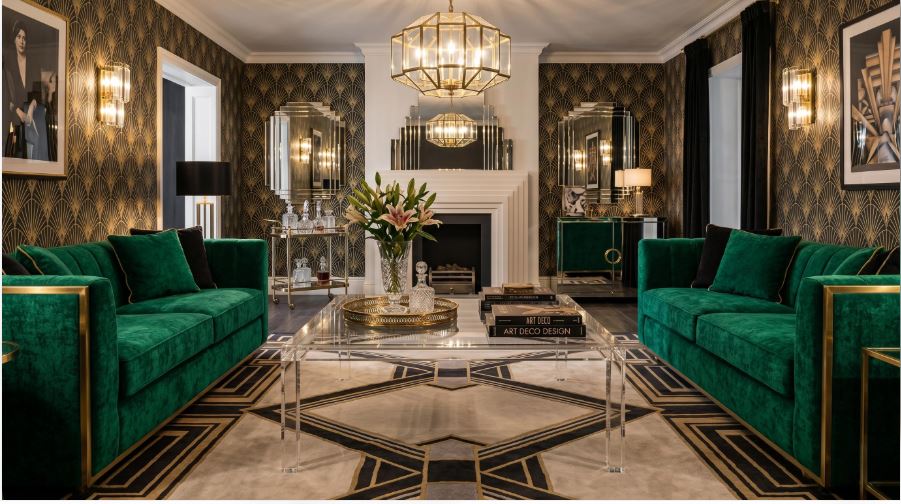
13. Art Deco Interior Design Style

Art Deco interior design is known for glamour, bold geometry, rich colours, and luxurious materials.
Associated with the decorative arts of the 1920s and 1930s, this style creates dramatic interiors through elegant furniture, metallic finishes, and distinctive patterns.
Key Features of Art Deco Interiors
- Geometric shapes and decorative patterns.
- Velvet upholstery and glossy surfaces.
- Brass, gold, chrome, and mirrored details.
- Deep colours such as emerald green, navy, and burgundy.
- Statement lighting and elegant furniture.
How to Create an Art Deco Interior
Start with a luxurious focal point, such as a velvet sofa or a striking chandelier.
Introduce metallic accents through mirrors, side tables, and lighting fixtures.
Use geometric patterns sparingly to keep the room sophisticated rather than overwhelming.
Best for: Glamorous living rooms, elegant bedrooms, and statement interiors.
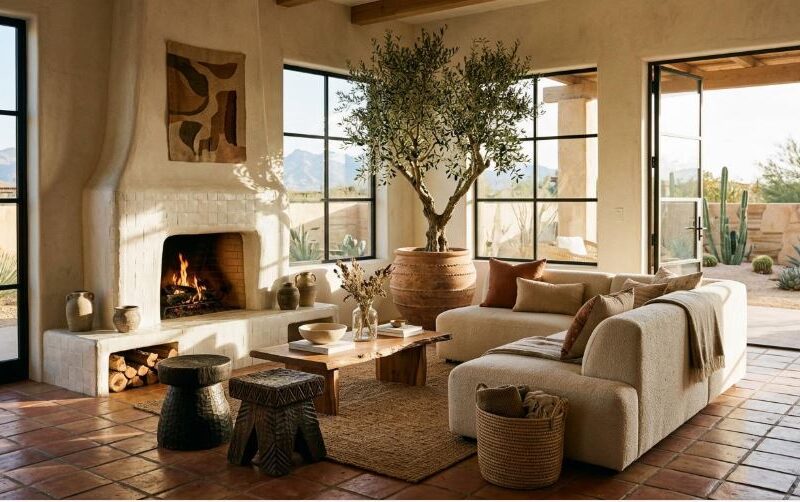
14. Mediterranean Interior Design Style

Mediterranean interior design takes inspiration from homes in countries such as Italy, Greece, and Spain.
It celebrates natural materials, warm sunlight, textured walls, and relaxed indoor-outdoor living.
The overall atmosphere is earthy, inviting, and effortlessly beautiful.
Key Features of Mediterranean Interiors
- Textured plaster walls.
- Terracotta tiles and natural stone.
- Arched doorways and windows.
- Warm neutral colours and earthy accents.
- Rustic wooden furniture and ceramic accessories.
How to Create a Mediterranean Home
Use warm white walls, natural wood, and terracotta accents to establish the foundation.
Introduce handcrafted ceramics, linen fabrics, and greenery.
If your home has architectural arches or exposed beams, make them part of the design rather than covering them.
Best for: Sunny homes, villas, rustic kitchens, and relaxed living spaces.
15. Transitional Interior Design Style

Transitional interior design combines traditional elegance with contemporary simplicity.
It is an excellent choice for homeowners who appreciate classic furniture but prefer a fresher, more relaxed appearance.
The style creates balance by mixing timeless architectural details with modern furnishings.
Key Features of Transitional Interiors
- Neutral and sophisticated colour palettes.
- Classic furniture paired with contemporary accessories.
- A combination of straight and curved lines.
- Comfortable upholstery and refined textures.
- Elegant but understated decorative details.
How to Create a Transitional Living Room
Begin with a neutral sofa and classic architectural elements, such as wall mouldings.
Add a contemporary coffee table, modern lighting, and a few traditional accessories.
Maintain a consistent colour palette so the different design influences feel connected.
Best for: Elegant family homes, timeless interiors, and homeowners who enjoy both classic and modern design.
How to Choose the Right Interior Design Style for Your Home
Choosing an interior design style does not mean following strict decorating rules. The most successful interiors combine personal taste with practical everyday needs.
Step 1: Identify Your Favourite Colours
Think about the colours that make you feel comfortable.
Soft neutrals work beautifully in minimalist, Scandinavian, and Japandi interiors, while deeper colours can create a dramatic traditional or Art Deco atmosphere.
Step 2: Consider Your Lifestyle
Your furniture and decorating choices should support the way you live.
Families may prefer durable materials and comfortable seating, while smaller homes can benefit from multifunctional furniture and clever storage.
Step 3: Look at Your Home’s Architecture
Consider your room’s size, ceiling height, natural light, and existing architectural features.
A room with exposed brick may naturally suit industrial styling, while a period home might complement traditional or transitional interiors.
Step 4: Choose a Consistent Colour Palette
Select a foundation of two or three main colours and introduce additional shades through accessories.
This creates visual harmony even when you combine different design influences.
Step 5: Add Personal Details
Artwork, family photographs, books, plants, and meaningful objects help turn a beautifully decorated room into a home that feels genuinely yours.
Interior Design Styles Comparison
| Interior Style | Main Characteristics | Overall Feeling |
|---|---|---|
| Modern | Clean lines, neutral colours | Sleek and organised |
| Minimalist | Essential furniture, open space | Calm and simple |
| Scandinavian | Light wood, cosy textiles | Bright and welcoming |
| Contemporary | Current trends, sculptural shapes | Sophisticated |
| Traditional | Classic furniture, rich fabrics | Elegant and timeless |
| Industrial | Brick, metal, concrete | Urban and bold |
| Bohemian | Patterns, plants, layered textures | Creative and relaxed |
| Mid-Century Modern | Retro furniture, warm wood | Stylish and nostalgic |
| Rustic | Stone, wood, natural finishes | Warm and earthy |
| Coastal | Light colours, natural fibres | Fresh and airy |
| Farmhouse | Rustic charm, practical furniture | Cosy and welcoming |
| Japandi | Japanese and Nordic influences | Peaceful and balanced |
| Art Deco | Geometric patterns, metallic details | Glamorous |
| Mediterranean | Terracotta, plaster, arches | Sunlit and relaxed |
| Transitional | Traditional and contemporary mix | Refined and comfortable |
Frequently Asked Questions About Interior Design Styles
What is the most popular interior design style?
Modern, contemporary, Scandinavian, and minimalist interiors are widely recognised decorating styles. Their popularity varies by region, home type, and personal preferences.
What interior design style makes a small room look bigger?
Minimalist and Scandinavian interiors can help small rooms feel more spacious because they often use lighter colours, practical furniture, and uncluttered layouts.
Can I mix different interior design styles?
Yes. Mixing styles can create a more personal and interesting home. For example, Scandinavian furniture can work beautifully with rustic wooden accents, while traditional architectural details can complement contemporary furniture.
What is the difference between modern and contemporary interior design?
Modern design refers to a particular historical design movement, while contemporary design reflects evolving styles and preferences of the present.
Which interior design style is best for a cosy home?
Scandinavian, farmhouse, rustic, and traditional styles are excellent starting points for creating cosy interiors because they often feature warm materials, comfortable furniture, and layered textiles.
Final Thoughts: Create a Home That Reflects Your Style
Exploring different types of interior design styles is a wonderful way to discover new decorating possibilities.
Some people love the simplicity of modern interiors, while others prefer the warmth of rustic spaces, the creativity of bohemian design, or the timeless elegance of traditional homes.
There is no single perfect interior design style for everyone.
The most important thing is to create a home that feels comfortable, functional, and personal.
Start with the colours, materials, and furniture that genuinely appeal to you. Experiment with different combinations, introduce meaningful accessories, and allow your space to evolve naturally.
With thoughtful choices and a little creativity, you can transform almost any room into a beautiful space that feels like home.